

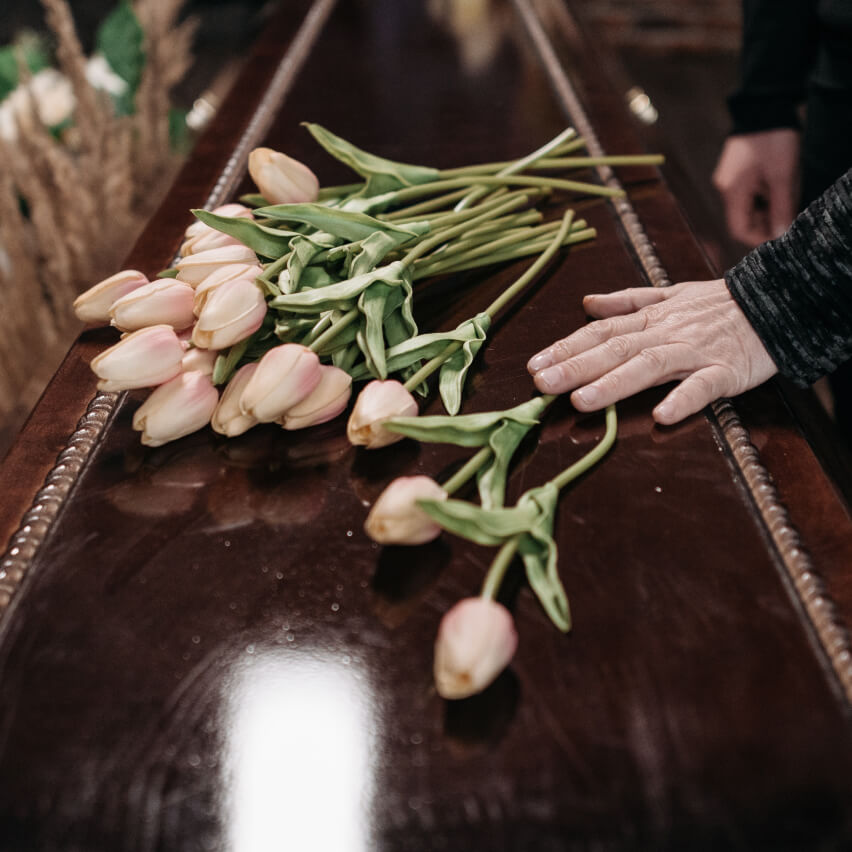
Grief does not follow a calendar, but certain dates can make the pain of loss feel sharper. The anniversary of a death, a loved one’s birthday, holidays, wedding anniversaries, Father’s Day, Mother’s Day, and other meaningful days can bring emotions back in ways that feel unexpected. Even when a family has begun to adjust to life after loss, milestone dates can feel like reminders of what has changed.
For many people, these dates carry a mix of sadness, love, gratitude, longing, and sometimes even anxiety. You may find yourself thinking about what happened on that day, what you wish you could still say, or how different life feels without your loved one present. These feelings are natural. They do not mean you have gone backward in your grief. They simply mean the love remains.
At Demeros Funeral and Cremation Services in Chicago, families are supported with steady, respectful care during some of life’s most difficult moments. While no one can remove the pain of grief, having guidance, space, and meaningful ways to remember can help families move through difficult dates with more comfort.
Why Milestone Dates Feel So Emotional
Milestone dates often carry emotional weight because they connect us to memory. A birthday may remind you of past celebrations. A wedding anniversary may bring back years of shared life. The anniversary of a passing may return you to the day everything changed.
Sometimes, the days leading up to the date can feel harder than the date itself. You may feel restless, tired, sensitive, distracted, or unusually emotional without realizing why at first. This is sometimes called an anniversary reaction, and it is common among people who are grieving.
These reactions can happen during the first year of grief or many years later. There is no deadline for missing someone. Grief often changes over time, but meaningful dates can still touch tender places in the heart.
Give Yourself Permission to Feel What Comes
One of the kindest things you can do on a difficult date is give yourself permission to feel honestly. Some people cry. Some want to be alone. Others want to stay busy or spend the day with family. Some may feel peaceful, while others may feel overwhelmed.
There is no correct emotional response. You do not need to force yourself to be strong, cheerful, or productive. You also do not need to feel guilty if moments of comfort, laughter, or calm appear during the day.
Grief is often layered. You can miss someone deeply and still smile at a memory. You can feel sadness and gratitude at the same time. Allowing these emotions to exist without judgment can make milestone dates feel less isolating.
Plan Ahead, Even in Small Ways
Difficult dates can feel more manageable when you make a gentle plan ahead of time. This does not mean filling the day with activities or forcing a formal tribute. It simply means thinking about what might help you feel supported.
You might decide to visit a gravesite, light a candle, attend a church service, cook a favorite meal, look through photos, or spend time with someone who understands. You may also choose to keep the day quiet and private.
If you are worried about being overwhelmed, consider letting trusted family members or friends know that the date may be difficult. You can ask them to check in, join you for a meal, or simply give you space. Being clear about what you need can help others support you more thoughtfully.
Creating Meaningful Rituals of Remembrance
Rituals can bring comfort because they give grief a place to go. They can be religious, personal, cultural, or simple acts of love. A ritual does not have to be formal to be meaningful.
Some families create yearly traditions on the anniversary of loss. They may gather for prayer, share memories, donate to a cause, visit a meaningful place, or prepare a loved one’s favorite food. Others may write letters, place flowers, play familiar music, or spend time doing something their loved one enjoyed.
For families who value a structured gathering, traditional funeral services can include customs, prayers, readings, and personal touches that help loved ones remember with dignity and care. Even after the funeral has passed, families can still create memorial traditions that keep a loved one’s memory close.
Supporting Children and Younger Family Members
Children may experience milestone dates differently than adults. They may not always understand why a certain day feels painful, but they can sense the emotions around them. Depending on their age, they may ask questions, become quiet, act out, or seem unaffected.
It can help to explain the date in gentle, age-appropriate language. You might say, “Today is the day we remember Grandpa because he died one year ago, and it is okay to feel sad or miss him.” Giving children a small way to participate can also be meaningful.
They may want to draw a picture, choose flowers, share a memory, help bake a favorite dessert, or look at photographs. Including them in simple rituals teaches them that grief can be spoken about with love rather than hidden away.
When Cremation Is Part of Remembrance
For families who chose cremation, milestone dates can offer opportunities for personal remembrance. Some may place the urn in a special setting with flowers, candles, photographs, or meaningful objects. Others may gather for a private prayer, visit the location where ashes were scattered, or wear memorial jewelry as a quiet tribute.
Cremation can also provide flexibility for families who live in different places. A memorial gathering may be planned around an anniversary, birthday, or holiday when relatives are able to come together. This can create a shared moment of remembrance even months or years after the passing.
Families who are considering this option can learn more about cremation services and how cremation can be paired with memorial gatherings, keepsakes, or personal rituals.
Honoring Faith and Cultural Traditions
Faith and cultural traditions can be especially comforting around difficult dates. Prayers, memorial services, church visits, candles, and family customs can help create a sense of continuity between past and present. They remind families that love, memory, and spiritual connection can remain even after physical presence is gone.
For Greek Orthodox families, remembrance may include specific prayers, services, and customs that help families honor their loved one within their faith. Demeros Funeral and Cremation Services understands the importance of these traditions and offers guidance through Greek funeral services for families who want care rooted in both faith and compassion.
Caring for Yourself Around Difficult Dates
Milestone dates can take emotional and physical energy. It is important to care for yourself in simple, practical ways. Try to rest when you can, eat nourishing meals, drink water, and avoid placing too many expectations on yourself.
If possible, reduce unnecessary obligations around the date. You may not have the energy for large gatherings, work demands, or social events, and that is okay. Grief can be tiring. Giving yourself room to move slowly can be a form of kindness.
If the grief feels too heavy to carry, consider speaking with a counselor, support group, clergy member, or trusted friend. Seeking support is not a sign that you are failing. It is a way of honoring your own need for care.
Looking Ahead with Thoughtful Planning
Difficult dates can also remind families of the value of preparing ahead. When wishes are clearly documented, loved ones may feel less uncertainty when making decisions. This can be especially comforting during emotionally charged seasons.
Through funeral pre-planning, individuals and families can record preferences for services, burial or cremation, readings, music, faith traditions, and other meaningful details. Planning ahead does not remove grief, but it can ease some of the practical burdens that families face after a loss.
Moving Through the Day with Love
The anniversary of a loss and other milestone dates may always carry emotion, but they can also become days of remembrance, connection, and love. Some years may feel heavy. Others may feel gentler. Each experience is part of the ongoing relationship you have with the person you miss.
You do not have to handle these days perfectly. You only have to move through them in a way that feels honest and compassionate to your heart.
For families seeking guidance with memorial planning, remembrance, or future arrangements, Demeros Funeral and Cremation Services is here to provide thoughtful support. To speak with someone directly, call us when your family is ready.







 English
  Spanish