

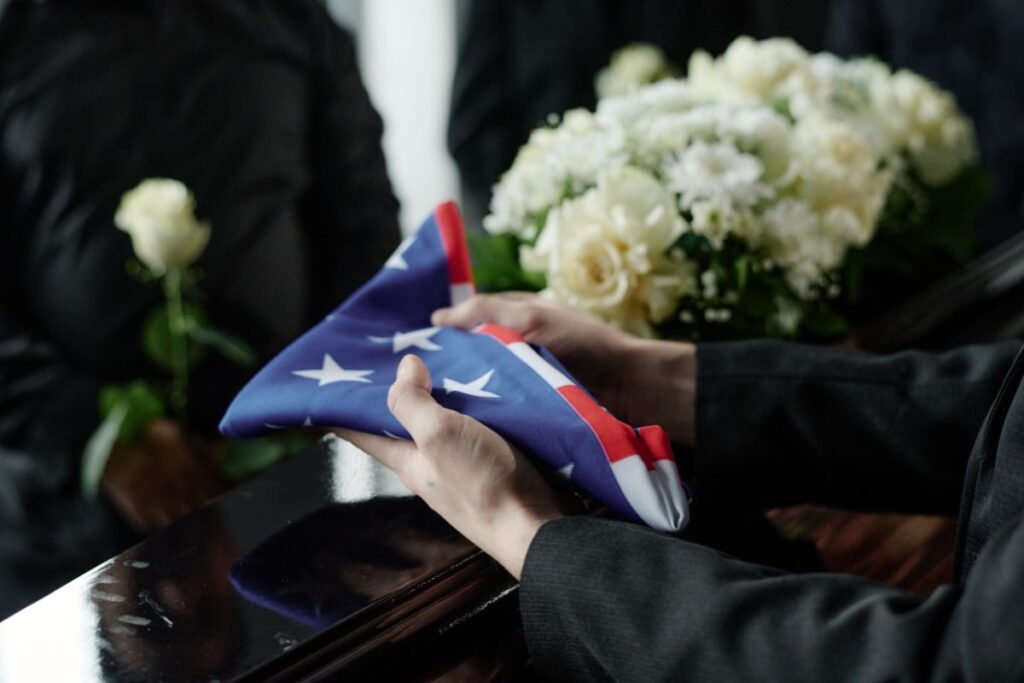
How Chicagoland families can transform Memorial Day weekend into a meaningful act of remembrance for the loved ones they carry with them.
Every year on the last Monday of May, the country pauses. Flags lower to half-staff at noon. Cemeteries fill with families carrying flowers, photographs, and small flags. Children too young to remember are told stories about people they never met. Memorial Day was established to honor those who died serving in the United States military, but for many families in Chicago and the surrounding communities, the weekend has come to hold a wider meaning. It is also a day to remember the parents, grandparents, spouses, and siblings whose absence is still felt at the dinner table and in every family photograph.
At Demeros Funeral and Cremation Services, we walk alongside families during the hardest moments of their lives. We also see what comes after — the quiet, ongoing work of remembrance that continues for years and even generations. Memorial Day offers a natural opportunity to honor that work, to give grief a structure, and to invite the people we love to participate in keeping a memory alive.
Why Memorial Day Matters Beyond Its Origins
Memorial Day traces its roots to the years following the Civil War, when communities began decorating the graves of fallen soldiers with flowers and wreaths. The federal holiday we observe today still centers on military sacrifice, and rightly so. Veterans cemeteries across Illinois, including Lincoln National Cemetery and the Abraham Lincoln National Cemetery in Elwood, will hold ceremonies, salutes, and moments of silence that draw thousands of visitors.
But families have always quietly expanded the day. Visiting one grave often means visiting others nearby. A father who served in Vietnam is honored alongside the mother buried next to him. A grandfather’s war record sits in a frame on the mantle next to a grandmother’s wedding photograph. The day becomes about lineage, about belonging, about the people who shaped us.
This expanded meaning is not a departure from tradition. It is, in many ways, the most natural extension of it — an acknowledgment that the lives we honor are part of a larger story we are all still telling.
Visiting the Cemetery: Small Acts That Carry Weight
For families who have lost someone recently, the first Memorial Day visit can feel especially heavy. There is no script, and the silence at a graveside can be disorienting. We often remind families that a meaningful visit does not require words or formality. The act of showing up is itself the tribute.
A few simple practices that many Chicagoland families have found grounding:
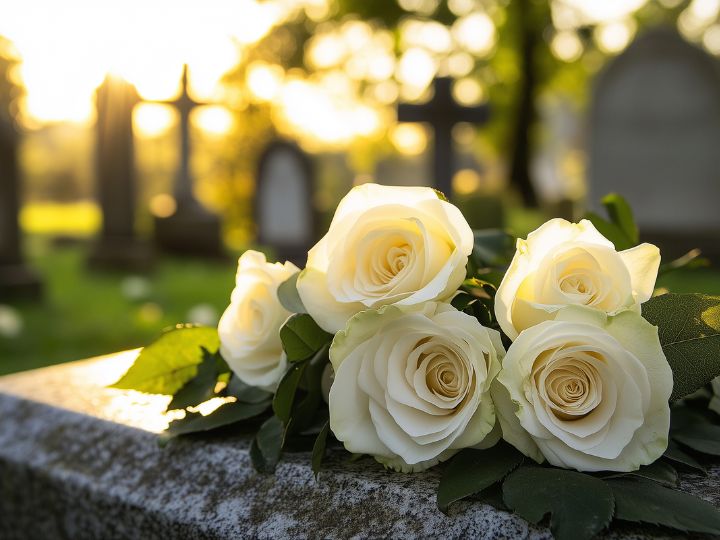
- Bring flowers that meant something. The roses from her garden. The carnations he wore on his lapel at every wedding. Flowers chosen with intention carry far more weight than the most expensive arrangement bought at the last minute.
- Read aloud. A favorite poem, a passage of scripture, a letter you wrote and never sent. Speaking words into the quiet of a cemetery can feel awkward for about ten seconds, and then it can feel like the most natural thing in the world.
- Bring someone who never met them. A grandchild, a new spouse, a friend who only knew you after the loss. Introducing your loved one to someone new keeps the relationship in the present tense.
- Tend the space. Clear away winter debris, straighten the marker, plant something small if the cemetery allows it. Care is a form of love that does not stop at the graveside.
Tributes That Extend Beyond the Cemetery
Not every family lives close enough to visit a grave on Memorial Day. Cremation families may have chosen scattering, keepsake urns, or a memorial garden far from where the rest of the family now lives. For these families, the tribute travels with them.
Some of the most meaningful Memorial Day remembrances we have seen happen entirely at home:
- Setting a place at the table. One empty seat, one place setting, one small gesture that says you are still part of this meal. Some families add a candle. Others simply leave the chair where it always was.
- Cooking what they loved. The pasta sauce that took her all day. The grill recipe he refused to write down until he finally did. Food carries memory in a way that few other things can.
- Sharing stories out loud. Gather the family, go around the room, and let everyone share one memory. The funny ones. The embarrassing ones. The ones that have been told a hundred times and the ones nobody has heard before.
- Looking at photographs together. Pull out the boxes. The albums. The phone reels. Children and grandchildren often learn more about a person from an afternoon of photographs than from anything else.
Creating Tributes That Last Beyond a Single Day
Memorial Day is one day. Grief is not. The most enduring tributes are the ones that outlast the weekend and become part of how a family lives, year after year.
A few that have stayed with the families we serve:
A memorial scholarship or charitable gift. Many families establish a small annual donation in their loved one’s name to a cause that mattered to them — a parish, a veterans’ organization, a hospital, a school. The gift does not have to be large. What matters is the consistency.
A memorial journal. A blank book kept somewhere accessible, where family members write entries throughout the year. Birthdays, holidays, ordinary Tuesdays. Years later, the journal becomes one of the most precious objects in the house.
An annual tradition. A breakfast at his favorite diner. A walk along the lakefront in her honor. A round of golf with the friends he loved. Traditions give grief a place to live, and they give the next generation a way to participate in remembering someone they may have never met.
A living memorial. A tree planted in the yard, a rose bush in the garden, a bench at a park or a parish. Something that grows, that requires care, that reminds the family of the person every time they pass it.
Remembering Veterans in Our Community
For families honoring a veteran this Memorial Day, Chicagoland offers many opportunities to participate in larger ceremonies. The annual Memorial Day parade in downtown Chicago, services at Rosehill Cemetery, and observances at the Abraham Lincoln National Cemetery in Elwood all welcome the public. Local American Legion and VFW posts often hold smaller ceremonies that feel more personal and provide a chance to connect with others who understand what military service has cost a family.
If your loved one served, consider displaying their service flag, wearing or sharing a photograph of them in uniform, or sharing their story with someone younger in the family. Veterans’ stories are often kept private during their lifetimes. Memorial Day is a fitting moment to bring those stories into the light.
When the Day Feels Heavier Than Expected
For families in the first year or two after a loss, Memorial Day can arrive with a weight that surprises them. Holidays often do. There is no right way to feel, and there is no obligation to mark the day in any particular way. Some years call for a full gathering. Some years call for staying home with the curtains drawn. Both are honoring the loss.
If you are dreading the weekend, let yourself plan something small and let yourself change the plan if you need to. Reach out to a friend who has been through it. Sit with the grief if it comes, and let it pass through you. The goal is not to perform remembrance. The goal is to keep the love alive in whatever form feels true that day.
How Demeros Funeral and Cremation Services Supports Families Beyond the Funeral
The work of a funeral home does not end when the service does. At Demeros, we stay connected with the families we serve long after the arrangements are complete. Whether you are planning a first Memorial Day visit, exploring a permanent memorial, or simply looking for resources to help a grieving family member, we are here.
If you would like guidance on cemetery options, military honors, memorial keepsakes, or simply a conversation with someone who understands, please reach out. Arthur G. Demeros and our team are available 24 hours a day. Your call goes directly to us — every time.
This Memorial Day, however you choose to honor the lives you carry with you, know that the act of remembering is its own kind of love. The names we speak aloud, the meals we cook in their memory, the flowers we place at their graves — these are the threads that keep a family whole across time.
They are remembered. They are honored. They are still part of the story.





 English
  Spanish