

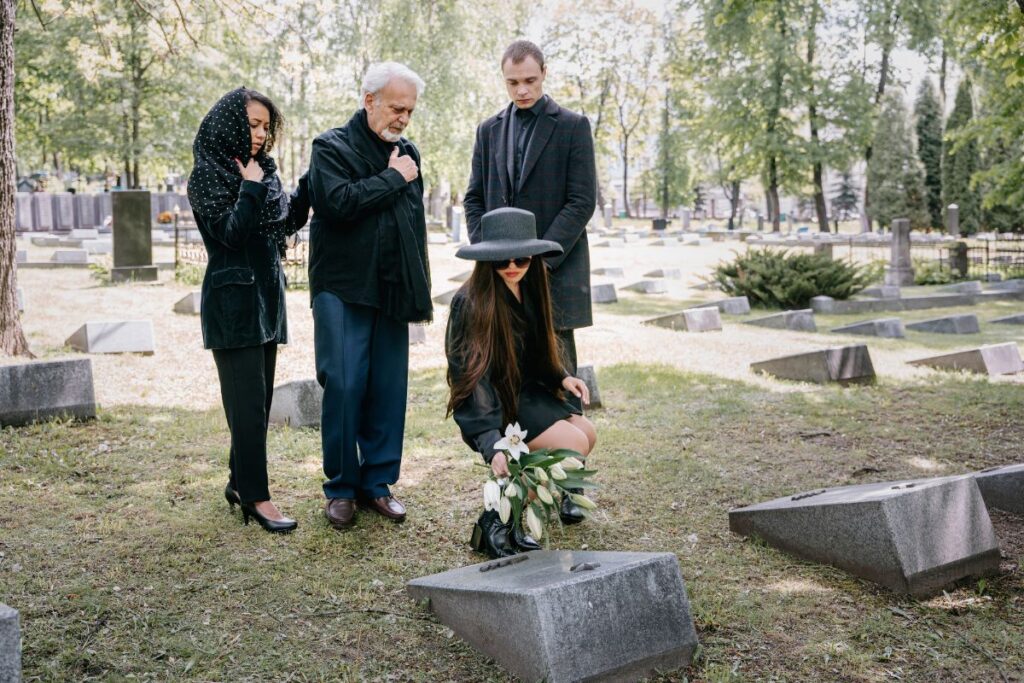
Grief can be one of the loneliest experiences a person ever faces. In the days right after a loss, the phone rings and cards arrive, but as the weeks pass, the world outside seems to move on while your own heart is still standing still. This is exactly when a support network matters most. No one is meant to carry the weight of loss alone, and finding the right mix of people, resources, and community can make the difference between feeling stranded in your grief and feeling gently held as you move through it.
At Demeros Funeral and Cremation Services in Chicago, we walk with families long after the service has ended. Building a support network is not about replacing the person you lost or rushing past your sorrow. It is about surrounding yourself with understanding so that healing has room to happen. Below is a practical guide to the resources and connections that can help.
Why a Support Network Matters After a Loss
Human beings are wired for connection, and that need does not disappear in grief. It grows. Research on bereavement consistently shows that people who feel supported tend to cope more steadily than those who withdraw completely. Talking about your loved one, saying their name out loud, and being heard by someone who does not try to fix you are all part of how grief slowly softens over time.
A support network also gives you practical footing. In the first weeks after a death, ordinary tasks like cooking, paying bills, or answering the door can feel impossible. Having people you can lean on, even for small things, frees up the emotional energy you need to grieve. Just as important, a network reminds you that your loss matters to others and that the person you love is still remembered.
The Different Kinds of Grief Support Available
Support comes in many forms, and the right combination is different for everyone. Some people find comfort in a room full of others who understand. Others prefer quiet, private conversations. Knowing your options helps you choose what fits.
Grief Support Groups
Support groups bring together people who are grieving so they can share their experiences in a safe, understanding space. Hearing someone else describe a feeling you thought was yours alone can be a powerful relief. Many groups are organized around a specific type of loss, such as the death of a spouse, a parent, or a child, which can make the shared understanding even deeper. Groups are often offered through hospices, hospitals, community centers, and faith organizations across the Chicago area, and many are free to attend.
One-on-One Grief Counseling
Sometimes grief is complicated by trauma, guilt, or a loss that feels impossible to accept. In these situations, a licensed grief counselor or therapist can offer focused, professional help. Counseling gives you private space to work through the harder edges of your grief with someone trained to guide you. If your sadness feels unrelenting, if it interferes with daily life for a long stretch of time, or if you ever have thoughts of harming yourself, reaching out to a mental health professional is an important and courageous step.
Faith Communities and Spiritual Care
For many families, faith is a steady anchor in grief. Congregations often provide bereavement ministries, pastoral counseling, memorial prayers, and the simple gift of a community that shows up with meals and companionship. Our team has deep roots in the local community, including strong ties to area churches, and we are glad to help connect families with clergy and faith-based support when that is meaningful to them.
Online Communities and Virtual Support
Not everyone can attend an in-person meeting, and grief does not keep business hours. Online grief communities, virtual support groups, and moderated forums let you find connection at two in the morning or from the comfort of home. These spaces can be especially helpful for people with mobility challenges, demanding schedules, or family members who live far away and want to grieve together across the distance.
Books, Podcasts, and Written Resources
Reading the words of others who have grieved can be quietly steadying. Books on loss, memoirs, and grief-focused podcasts offer companionship you can return to whenever you need it. Writing can help too. Keeping a journal, writing letters to your loved one, or simply jotting down memories gives your grief somewhere to go. Our helpful articles page offers additional reading created specifically for the families we serve.
You can explore more guidance any time on our helpful articles page.
Building a Personal Circle of Support
Formal resources are valuable, but so are the everyday people already in your life. Building your personal circle is often the most natural first step.
Leaning on Family and Friends
The people who loved your person are grieving too, and grieving together can bring you closer. Let trusted family members and friends know how you are truly doing rather than offering the automatic answer that you are fine. Some people in your life will surprise you with how present they can be. Others may struggle to know what to say. Try to hold space for both, and lean toward the ones who show up.
Asking for Specific Help
When someone says to let them know if you need anything, it can be hard to know how to respond. Grief makes it difficult to name what you need. The trick is to be specific. Ask a friend to bring dinner on Thursday, to sit with you for an hour, or to help sort through paperwork. Specific requests are easier for people to say yes to, and they turn vague good intentions into real, practical support.
Finding Local Resources in the Chicago Area
Chicago and its surrounding suburbs are home to a wide range of grief resources, from hospital bereavement programs and hospice aftercare to community grief groups and faith-based ministries. Local libraries and park district community centers sometimes host support programs as well. Because options change over time and vary by neighborhood, the easiest way to find the right fit is to ask for a referral from people who know the local landscape.
That is one of the ways we try to help. If you are unsure where to begin, call us at (847) 302-7176. We are glad to point you toward trusted grief resources in your community, whether or not you have used our services. You can also learn more about our approach and the families we serve.
Taking the First Step
Reaching out for support can feel like a mountain when you are exhausted by grief. Start small. Send one text. Attend one meeting. Read one chapter. You do not have to build your entire support network in a day, and you do not have to do it perfectly. Each small connection is a thread, and over time those threads weave into something that can genuinely hold you.
Above all, be patient and gentle with yourself. Grief has no schedule and no finish line, and needing help is not a weakness. It is one of the most human things there is. When you are ready, the people and resources around you are there to help you carry what feels unbearable, one day at a time.
Demeros Funeral and Cremation Services supports families in Chicago and the surrounding suburbs before, during, and long after a loss. To talk with us or to ask about grief resources near you, call (847) 302-7176 any time, day or night.





 Spanish
  English