


Direct cremation is a cremation that takes place shortly after death, without embalming, a viewing, or a funeral service beforehand. In Illinois, cremation cannot legally happen until at least 24 hours after death. The cremated remains are returned to the family afterward, and a memorial service can still be held anytime, anywhere the family chooses.
If you are trying to figure out what direct cremation actually involves right now, you are probably doing it in the middle of one of the hardest weeks of your life. That is normal, and you do not need to have every answer today.
This guide walks through what direct cremation includes, who it tends to suit, and how Chicago and Cook County families can still create a meaningful goodbye afterward.
Arthur Demeros has spent more than a decade helping Chicago area families sort through exactly this decision. This article will help you know what comes next.
What Direct Cremation Actually Means
Direct cremation is the simplest form of disposition available. There is no embalming, no public viewing, and no funeral or memorial service scheduled before the cremation takes place. Your loved one is transferred into care, the necessary paperwork is filed, and cremation happens once Illinois’s required waiting period has passed.
That does not mean the process is impersonal. Demeros still handles every detail with the same care given to a full traditional service, from the transfer to the return of the cremated remains to your family. Direct cremation is simply a different starting point, not a lesser one.
Some families pair direct cremation services with a small private goodbye before the cremation itself, even without formal embalming. It’s worth asking about your options rather than assuming direct means no contact at all.

What's Included, and What Isn't
A direct cremation typically includes the transfer of your loved one into care, filing the death certificate, securing the required cremation permit, and the cremation itself using a basic alternative container. Federal law is specific here: no state or local law requires a casket for cremation, and a funeral home must make an unfinished wood, cardboard, or fiberboard alternative container available.
What direct cremation does not include is embalming, a viewing, a funeral ceremony, or the use of a casket meant for display. Families who want any of those elements can add them, but direct cremation as a category leaves them out by design, which is part of why it tends to be the more straightforward path for families who want simplicity.
Who Direct Cremation Tends to Suit
Direct cremation tends to fit families who already know cremation is the right choice and don’t feel a strong need for a ceremony beforehand. It also suits situations where family members are spread out and need time to gather before planning any kind of gathering, or where the person who died left clear wishes for something simple.
It is not the only option, and it is not automatically the right one. Some families realize partway through the conversation that they do want a visitation or a graveside moment first. If you are weighing the two, our guide on direct vs full-service cremation lays out the differences side by side so you can talk it through as a family before deciding.
Can You Still Hold a Memorial Service Afterward?
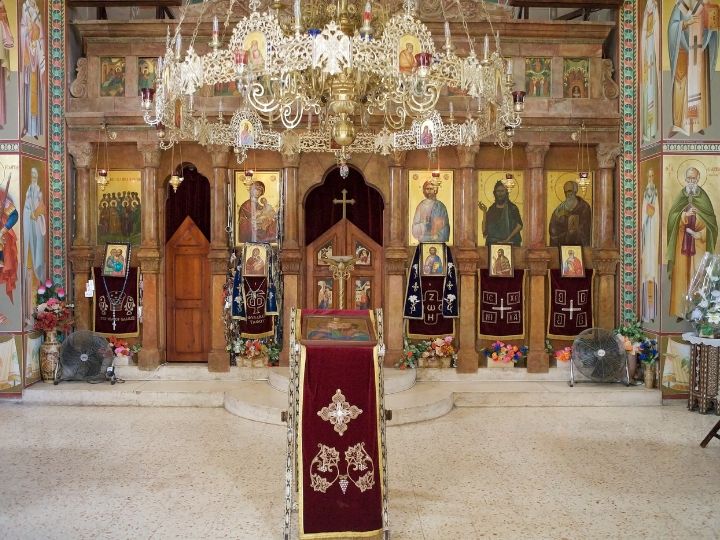
Yes, and this is one of the most common misunderstandings about direct cremation. Choosing direct cremation only removes the service from before the cremation. It does nothing to prevent a memorial service or celebration of life afterward. Families with Greek Orthodox ties should talk with their parish priest before choosing cremation, since the Church has traditionally called for burial.
In our experience, many families actually prefer this order. It gives everyone time to travel, plan, and gather without the pressure of an immediate deadline. A memorial can happen a week later, a month later, or on a date that has personal meaning, with the cremated remains present or not, depending on what feels right to your family.
What Happens to the Cremated Remains
Once cremation is complete, the cremated remains are returned to the authorizing family member, usually within a few days. From there, the decision is entirely the family’s. Some keep an urn at home. Others choose interment in a cemetery niche or plot, such as a nearby Cook County cemetery like St. Adalbert in Niles, just a short drive from our Edison Park office. Others scatter the cremated remains in a legally permitted location.
There is no single right answer, and no deadline that forces a decision immediately. Our page on memorial options after cremation walks through urns, niches, scattering, and keepsake options in more detail, so you can take your time deciding what feels true to your loved one.
How Demeros Helps Chicago and Cook County Families
Arthur Demeros answers the phone himself, day or night, and walks families through direct cremation from the very first call. That includes explaining Illinois’s legal requirements plainly, handling the paperwork with the county, and coordinating cremation through a licensed crematory partner so nothing is left to guesswork.
Families across Chicago, Niles, Park Ridge, and Jefferson Park have relied on this same direct, personal approach, whether the need is a traditional service, a Greek Orthodox funeral, or simple direct cremation. If you’re in the Jefferson Park area, our page on Jefferson Park cremation services covers what to expect closer to home. Demeros is available 24 hours a day, seven days a week, and will travel to meet your family where it’s easiest for you.
Frequently Asked Questions About Direct Cremation in Chicago
What does direct cremation include?
Direct cremation includes transporting your loved one into Demeros’s care, filing the death certificate, obtaining the required state permits, and the cremation itself. It does not include embalming, a viewing, or a funeral service beforehand. Under the FTC Funeral Rule, you also have the right to buy only the goods and services you want, so you are never required to add anything beyond the basic cremation.
Can I still have a funeral or memorial service if I choose direct cremation?
Yes. Direct cremation only removes the service from before the cremation, not afterward. Many Chicago families hold a memorial service or celebration of life once the cremated remains are ready, at a church, at home, at a coordinated venue, or anywhere that feels right, on whatever timeline works for the family.
How soon can cremation happen after someone dies in Illinois?
Illinois law does not allow cremation within 24 hours of the time of death listed on the death certificate. This waiting period exists so there is time to confirm identity, complete paperwork, and allow for any required examination. In practice, most Chicago families see cremation completed within a few days of that 24-hour mark.
Who can legally authorize a cremation in Illinois?
Illinois law sets a priority order for who may sign the cremation authorization form: first an agent the decedent named in writing, then an executor following written instructions in the will, then a surviving spouse, then a majority of adult children, then parents, then more distant next of kin. Demeros walks each family through exactly who needs to sign before cremation can proceed.
What happens to the cremated remains after direct cremation?
The cremated remains are returned to the authorizing family member, usually within a few days. From there, families choose what feels right: keeping an urn at home, interment in a cemetery, placement in a columbarium niche, or scattering in a legally permitted location. Demeros can walk you through each of these memorial options.
Whenever you’re ready, we’re here. There’s no pressure and no obligation, just people who know how to help. Arthur Demeros is available around the clock at (847) 302-7176 to talk through direct Chicago cremation services or any other option your family is considering. Call any time, day or night. We’ll take it from there.






 English
 Spanish