
When someone we love passes away, honoring their life in a way that respects their beliefs, traditions, and heritage becomes one of the most meaningful gifts we can give them. But funeral considerations go far beyond simply choosing between burial and cremation. Religious considerations in funerals and cultural funeral rights and traditions play a vital role in creating a service that truly reflects the life and values of your loved one.
If you’re planning a funeral for someone whose traditions differ from your own, or if you’re trying to balance multiple cultural backgrounds within your family, understanding these differences can feel overwhelming during an already difficult time. That’s where working with a funeral home that understands and respects diverse traditions becomes essential.
Why Cultural and Religious Funeral Traditions Matter
Funeral rights and traditions aren’t just rituals—they’re deeply meaningful practices that provide comfort, honor the deceased, and help families find closure. These traditions often reflect a lifetime of beliefs and values, and respecting them is one of the final acts of love we can offer.
Every culture and religion approaches death and mourning differently. Some traditions emphasize celebration, while others focus on somber reflection. Some require specific timing for services, while others allow for flexibility. Understanding these nuances helps ensure that your loved one’s funeral honors their memory in the most authentic way possible.
Common Religious Funeral Traditions
Catholic Funerals
Catholic funeral traditions typically include a vigil (or wake), a funeral Mass, and a committal service at the graveside. The body is usually present, and cremation, while now permitted, was not always accepted in Catholic tradition. Prayers, readings from scripture, and the Eucharist are central elements of the service.
Jewish Funerals
Jewish traditions emphasize simplicity and respect for the deceased. Funerals usually occur within 24 hours of death, and embalming is generally not practiced. The body is buried in a simple wooden casket, and mourners observe sitting shiva—a seven-day period of mourning at home. Orthodox, Conservative, and Reform Jewish communities may have different specific practices.
Islamic Funerals
Muslim funeral traditions require burial as soon as possible, ideally within 24 hours. The body is washed and shrouded in simple white cloth, and cremation is prohibited. The service includes specific prayers, and the body is positioned facing Mecca. Men and women often pray separately during the service.
Protestant Funerals
Protestant traditions vary widely depending on denomination, but they generally focus on celebrating the resurrection and eternal life. Services may be held in a church or funeral home and often include hymns, scripture readings, and a eulogy. Both burial and cremation are typically acceptable.
Hindu Funerals
Hindu tradition almost always involves cremation, ideally occurring within 24 hours of death. The eldest son traditionally lights the funeral pyre. Memorial services may continue for days afterward, and families observe a mourning period that can last up to a year for close relatives.
Buddhist Funerals
Buddhist funeral practices vary by tradition but often include chanting, meditation, and offerings. Cremation is common, and the timing of services may be influenced by astrological considerations. Services focus on helping the deceased’s consciousness transition peacefully.
Greek Orthodox Funerals
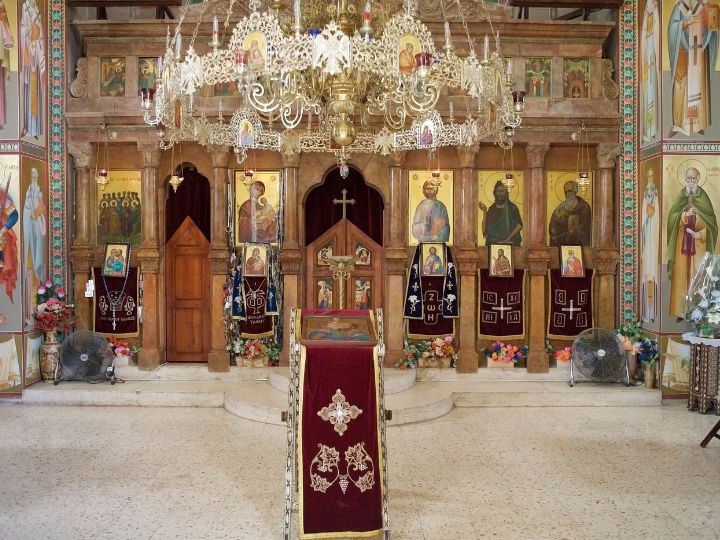
Greek Orthodox traditions include a Trisagion service (prayers for the deceased), an open-casket wake, and a greek funeral service with specific liturgical elements. The body is anointed with oil, and burial is traditional, though cremation is becoming more accepted in some communities.
Cultural Funeral Considerations Beyond Religion
Religious considerations in funerals are just one piece of the puzzle. Cultural traditions—sometimes separate from religious beliefs—also shape how families want to honor their loved ones.
Hispanic and Latino Traditions
Many Hispanic families hold a velorio (wake) that may last several days, with continuous presence by the deceased’s side. Food, music, and storytelling are often part of the mourning process. Día de los Muertos traditions may influence how families remember and honor the deceased throughout the year.
African American Traditions
African American funeral traditions often emphasize celebration of life alongside mourning. The homegoing service may include spirited gospel music, personal testimonies, and a viewing of the body. The repast—a meal following the service—brings the community together to share memories and support the family.
Asian Cultural Practices
Asian cultures have diverse funeral practices. Chinese families may include practices like burning joss paper, wearing specific mourning colors (white rather than black), and observing ancestral rituals. Vietnamese traditions might include specific offerings and extended mourning periods. Korean funerals traditionally last three days with specific ritual requirements.
Irish Traditions
Irish wakes are known for celebrating the deceased’s life with storytelling, music, and sometimes even humor. While modern Irish funerals may be more subdued than traditional wakes, many families still value the gathering aspect as a way to honor their heritage.
Navigating Mixed-Faith and Multicultural Funerals
In our increasingly diverse society, many families need to honor multiple traditions within a single service. Perhaps your loved one came from a mixed-faith marriage, or your family includes members from different cultural backgrounds. These situations require careful consideration and often creative solutions.
The key is communication. Talk with family members about which elements are most important to each person. A skilled funeral director can help you blend traditions in ways that feel respectful and meaningful. For example, you might include prayers from multiple faith traditions, incorporate cultural music and rituals, or structure the service in sections that honor different aspects of your loved one’s heritage.
How Funeral Homes Support Diverse Traditions
Not all funeral homes have equal experience with diverse religious considerations in funerals and cultural practices. When choosing a funeral home, look for one that demonstrates cultural competence and flexibility.
At Demeros Funeral and Cremation Services, we understand that every family and every tradition is unique. Our experience serving Chicago’s diverse communities—including our extensive work with Greek Orthodox families and other cultural groups—has taught us the importance of listening, learning, and adapting to each family’s specific needs.
We work closely with families to understand their funeral rights and traditions, whether that means coordinating with religious leaders from your faith community, arranging for specific ritual requirements, or helping you create a service that blends multiple traditions. Our goal is never to impose a one-size-fits-all approach but to support your family in honoring your loved one exactly as you envision.
Important Questions to Ask Your Funeral Director
When discussing funeral considerations with a funeral home, don’t hesitate to ask specific questions about their experience with your traditions. Consider asking about things such as their familiarity with your specific religious or cultural practices, their ability to accommodate timing requirements (like quick burials), whether they can arrange for religious officials from your faith, their experience with specific ritual requirements, and their willingness to work with your family on customization.
A funeral home that truly respects diversity will welcome these questions and work collaboratively with you to meet your needs.
Planning Ahead for Cultural and Religious Considerations
If you’re planning ahead for your own funeral or helping an elderly loved one make arrangements, clearly documenting preferences for funeral rights and traditions can prevent confusion and conflict later. Write down specific wishes, share them with family members, and consider pre-planning with a funeral home that understands your traditions.
Pre-planning also gives you time to research and find a funeral home with appropriate experience. You can ask questions, visit facilities, and ensure that your chosen funeral home truly understands and respects your cultural and religious needs.
When Traditions Conflict with Regulations
Sometimes, traditional practices may conflict with local regulations or logistical realities. For example, some traditions require very rapid burial, which can be challenging with modern death certificates and legal requirements. A knowledgeable funeral director can help you navigate these situations, finding ways to honor the spirit of your traditions while meeting necessary legal requirements.
The Comfort of Being Understood
During the difficult days following a loss, having a funeral home that understands your traditions provides invaluable peace of mind. You shouldn’t have to explain every aspect of your faith or culture, and you shouldn’t worry about whether your needs will be respected.
At Demeros Funeral and Cremation Services, we’re committed to serving families with the cultural sensitivity and religious respect they deserve. Whether you’re planning a traditional Greek Orthodox funeral, navigating multiple faith traditions within your family, or honoring cultural practices specific to your heritage, we’re here to listen, learn, and help you create a meaningful service.
Creating Meaningful, Culturally Appropriate Farewells
Ultimately, honoring diversity in funeral services isn’t about following a checklist—it’s about understanding that each person’s life story includes their faith, their heritage, and their traditions. These elements shaped who they were, and respecting them in death honors the fullness of their life.
We encourage families to share their traditions with us, to ask questions, and to work with us collaboratively. Your loved one deserves a funeral that reflects their beliefs, celebrates their heritage, and provides your family with the comfort that comes from honoring them authentically.
If you’re planning a funeral and want to ensure that religious considerations in funerals and cultural traditions are properly respected, we invite you to reach out. At Demeros Funeral and Cremation Services, we’re available 24/7 to answer your questions and help you plan a service that truly honors your loved one’s life and traditions.
Your loved one’s faith and heritage were important to them—they should be important to their funeral too. Let us help you honor them with the dignity, respect, and cultural understanding they deserve.





 English
  Spanish